Estimated reading time: 12 minutes
STOPWATT (UPDATED 2026) REVIEW
If your power bill keeps creeping up and you've seen StopWatt pop up in an ad promising to fix that, you're probably wondering if it's worth the money or just another gadget that does nothing.
This review walks through what StopWatt actually is, how it's supposed to work, what it costs, and what buyers are saying, so you can make your own call before ordering one.
Current Deal: 55% off + an extra 10% off, with the lowest per-unit price on the 3-pack

StopWatt is a small plug-in device that sits on an outlet and, according to the company, cleans up the electrical current running through your home. That's the pitch: your home's power isn't as steady as you'd think, and smoothing it out is supposed to cut waste.
Here's the part worth saying plainly before anything else. The company's energy savings numbers come from its own customers and internal testing, not from an independent lab or a utility company. I couldn't find a single third-party study confirming the specific percentages used in StopWatt's marketing. That doesn't mean the device does nothing, electrical stabilization is a real concept used in industrial settings, but it does mean you should treat any savings estimate as a best-case scenario rather than a guarantee.
Whether it's worth the $44 price tag probably comes down to your specific home. Older wiring, older appliances, and homes with a lot of motors (AC units, fridges, well pumps) are more likely to have the kind of unbalanced current StopWatt claims to fix. A newer apartment with modern appliances has less to gain.
The rest of this review covers how it's built, what it costs, and what actual buyers report, so you can weigh that against your own situation.
Current Deal: 55% off + an extra 10% off, with the lowest per-unit price on the 3-pack
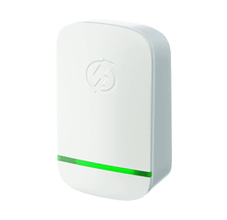
Current Deal: 55% off + an extra 10% off, with the lowest per-unit price on the 3-pack
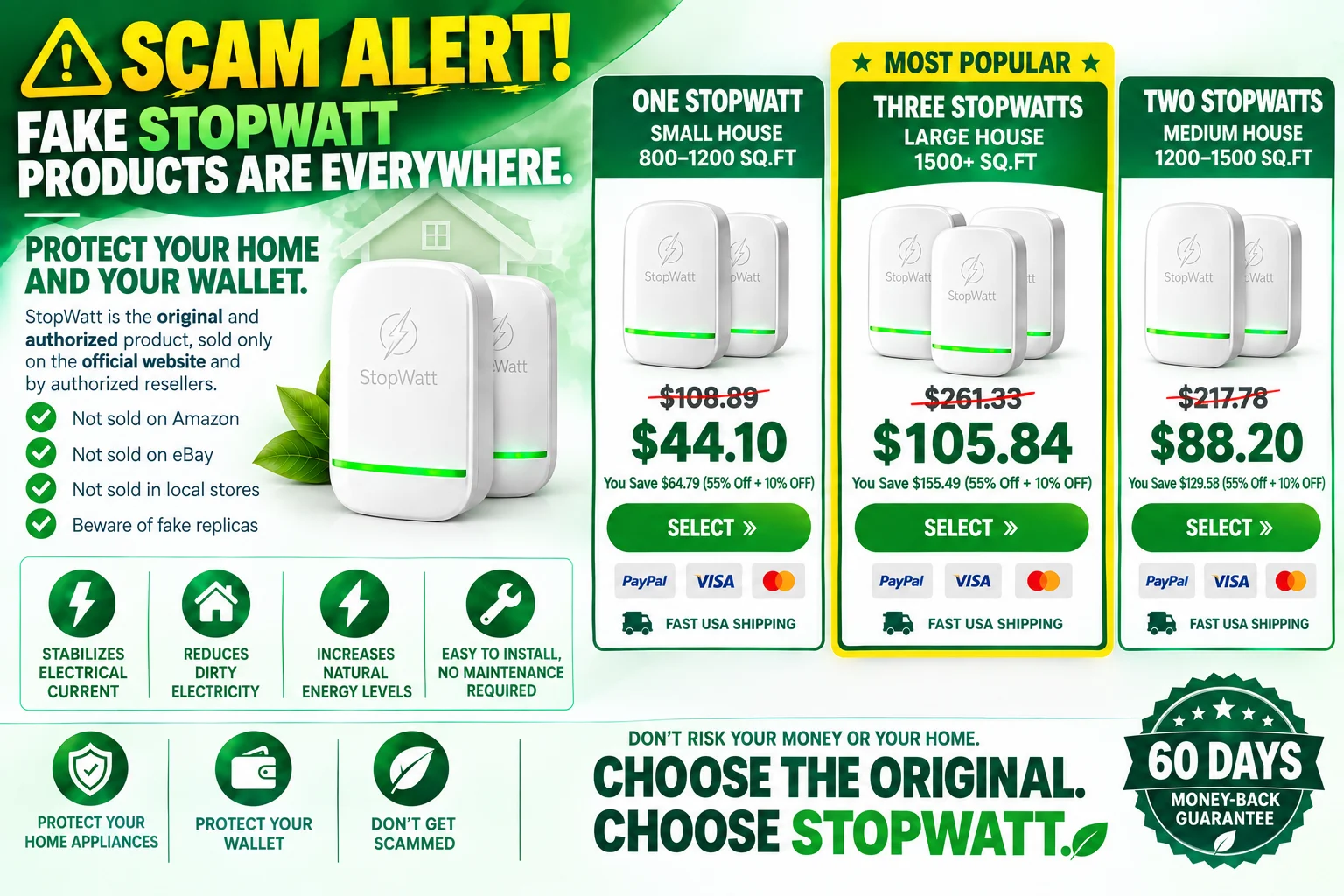
Plug it into any standard wall outlet. That's the whole setup, no wiring, no app, nothing to screw into your breaker panel.
The company's own materials describe it as working immediately once plugged in, with no ongoing adjustment needed. It's built to stay plugged in permanently rather than being something you move around the house.
For a home with multiple high-draw appliances spread across different circuits, one unit near the main panel is the usual placement people describe, though the company also sells multi-packs if you want coverage closer to specific large appliances.
Current Deal: 55% off + an extra 10% off, with the lowest per-unit price on the 3-pack
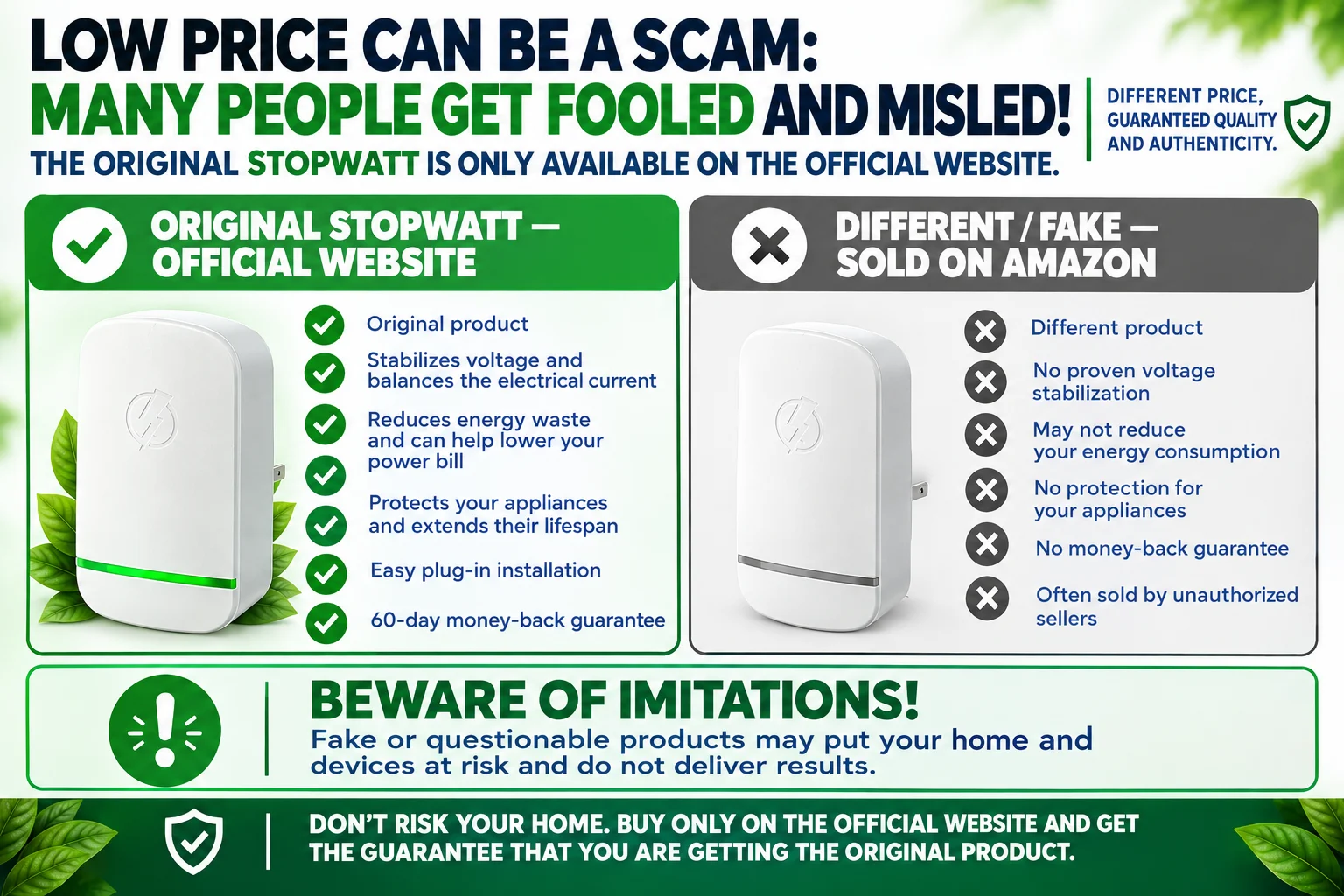
What to check before you buy
StopWatt is sold through the official checkout only. If you come across it on a random marketplace listing or a sketchy ad with a totally different price, there's a decent chance you're not buying the real thing, or you're buying it from someone with no accountability if it shows up broken.
That's not an accusation against every reseller out there, but the manufacturer has no way to guarantee what actually ships from a warehouse it doesn't control. People online report both fine experiences and the occasional complaint about units that never showed up or refunds that got denied, almost always tied to purchases made outside the official site.
The simplest check is the checkout page itself. A legitimate order goes through an encrypted checkout with standard card and PayPal options, not a sketchy third-party form.
Current Deal: 55% off + an extra 10% off, with the lowest per-unit price on the 3-pack
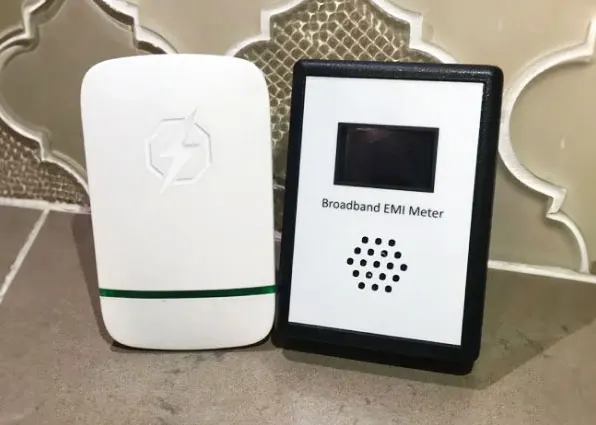
You'll sometimes spot StopWatt-branded listings on Amazon, but according to the company's own FAQ, it isn't distributed through Amazon or other third-party retailers. Any listing claiming otherwise is operating outside the manufacturer's control.
There's a practical downside too. The 60-day refund guarantee only applies to orders placed through the official checkout. Buy it through a marketplace instead, and you're relying on that platform's return rules, not the manufacturer's.
If you want the version actually backed by StopWatt's own guarantee, the official StopWatt checkout is the only place that covers you.
Current Deal: 55% off + an extra 10% off, with the lowest per-unit price on the 3-pack
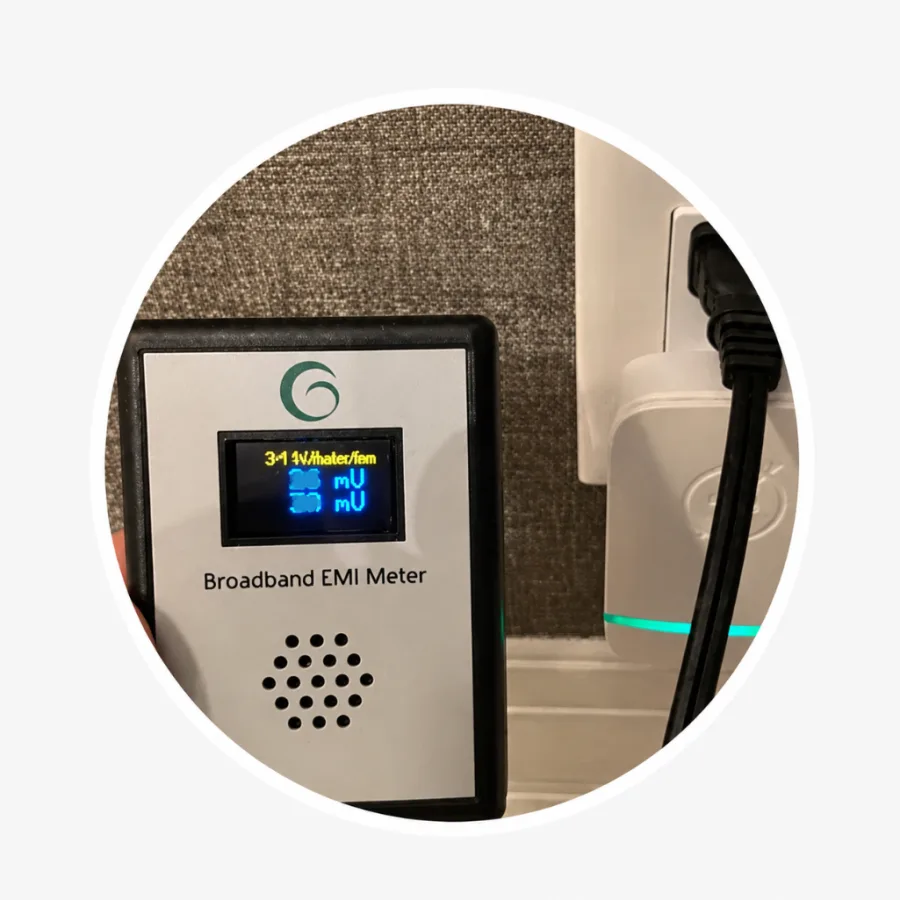
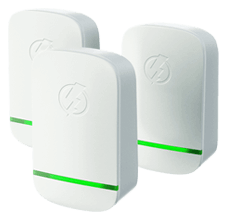
StopWatt is a small device you plug directly into a wall outlet. It's not a supplement or a service, it's a physical box with internal components the company says filter and stabilize the electricity moving through your home's circuits.
It's marketed toward homeowners, renters, and even RV or office setups, basically anywhere there's a standard outlet and a power bill that feels higher than it should be.
Like most products in this niche, it's sold exclusively through the company's own site, which it frames as the way to control quality and keep counterfeits out of circulation.
Current Deal: 55% off + an extra 10% off, with the lowest per-unit price on the 3-pack
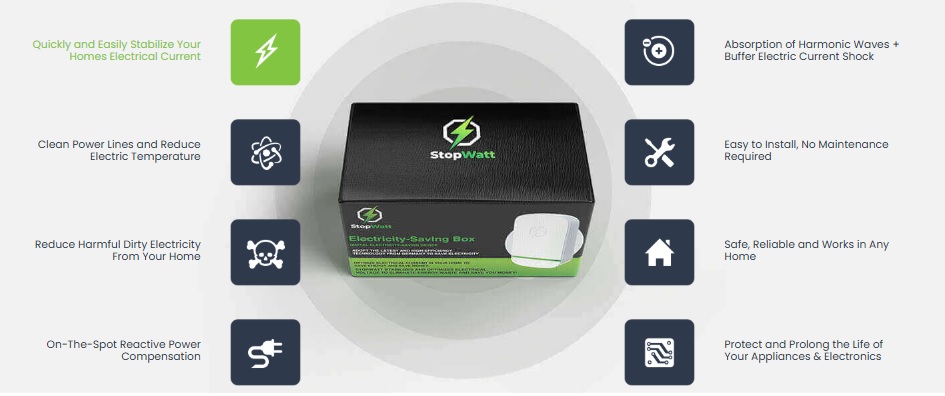
The idea behind the device
The company calls its approach Electricity Stabilizing Technology, or E.S.T. The basic claim is that household power isn't a clean, steady flow, it fluctuates as appliances switch on and off, and that unevenness supposedly wastes energy and stresses sensitive electronics over time.
StopWatt is built to even that out. Inside the housing, the company describes a magnetic filter meant to cut down electromagnetic interference, along with components aimed at absorbing voltage spikes and harmonic distortion, the kind of electrical noise that shows up when you've got a mix of older and newer appliances on the same circuit.
None of this is wildly out of step with how industrial power-conditioning equipment works. The question for a $44 plug-in device is how much of that effect carries over at the smaller, residential scale, and that's exactly the part no independent lab has verified for this specific product.
Current Deal: 55% off + an extra 10% off, with the lowest per-unit price on the 3-pack

The core mechanism the company says smooths out uneven current flow before it reaches your appliances.
Designed to absorb short power spikes that can otherwise wear down sensitive electronics over time.
A built-in filter meant to reduce electromagnetic interference running through household wiring.
Targets the electrical noise created when multiple appliances share the same circuit.
Keeps functioning through outages instead of needing a manual reset once power comes back.
No wiring or app required, just plug it into a standard outlet and it starts running.
Current Deal: 55% off + an extra 10% off, with the lowest per-unit price on the 3-pack
StopWatt is a passive plug-in device with no moving parts, which keeps the risk profile fairly low compared to something you'd wire into your panel yourself.
That said, I couldn't find a UL listing or similar third-party safety certification mentioned anywhere on the official site. That's worth knowing, since certification marks are usually how you'd confirm an electrical device has been independently tested for fire and shock risk. Plenty of small plug-in gadgets skip this step, but it's still a gap.
If your home has old or questionable wiring, a flaky outlet, or you've had electrical issues before, it's worth having an electrician look at the situation directly rather than relying on any plug-in device to compensate for a wiring problem.
Current Deal: 55% off + an extra 10% off, with the lowest per-unit price on the 3-pack
Common patterns from public reviews and customer feedback, summarized honestly
Some buyers describe a noticeably smaller bill the following month. Others say they couldn't tell any difference at all. Older homes with heavier appliance loads seem to show up more often in the positive reports, which lines up with what the company's own explanation would predict.
Almost nobody complains about the install itself, since there isn't much to it beyond plugging the thing in.
A handful of public reviews mention delayed shipping during busy sales periods, which seems more tied to order volume than the product itself.
Most refund requests described online went through fine. A smaller number of complaints mention denied refunds after the 60-day window closed, which is a good reason to track your purchase date closely.
We're summarizing patterns here rather than quoting individuals, since we haven't independently verified any specific customer's purchase or identity.
Current Deal: 55% off + an extra 10% off, with the lowest per-unit price on the 3-pack
Orders placed through the official site come with a 60-day money-back guarantee from the purchase date.
If you don't notice a difference, the stated policy lets you request a full refund within that window. Hang onto your order confirmation, since you'll likely need it to process the return.
As with most of these guarantees, it only covers orders made through the official checkout, not units bought through a marketplace or reseller.
With that risk covered, here's what it actually costs.
A single unit costs $44.10, and the 3-pack brings the price down to about $35 per unit, so buying more makes sense if you want to cover a larger home or several circuits.
Backed by: 60-day money-back guarantee on every order
StopWatt isn't making any claim that sounds physically impossible, electrical stabilization and surge filtering are real concepts, just scaled down into a $44 plug-in box. What's missing is independent proof of exactly how much that translates into dollars saved on your specific bill.
For someone in an older home with a mix of big appliances and some history of electrical quirks, it's a cheap enough experiment with a real refund window attached. For someone in a newer place with modern wiring, it's less obvious there's much to gain.
The 60-day guarantee is the thing that makes this worth trying rather than skipping. If you track your bill for two months and see nothing, you're supposed to be able to get your money back, as long as you order through the official site and keep your confirmation handy.
If you want a low-effort way to test whether your home's power quality is costing you money, StopWatt is a reasonable, low-risk way to find out. If you're expecting a guaranteed, dramatic drop in your bill, the honest answer is nobody outside the company has confirmed that number yet.